The smell of damp concrete and cold rain is a familiar spring companion across Canada. When the snowpack finally yields to a stretch of double-digit Celsius days, the earth around your foundation becomes a saturated sponge. Down in the basement, the silence is occasionally broken by a reassuring mechanical hum. You listen to the pipes rattle slightly, assuming your perimeter drainage is functioning exactly as designed.
You probably do what most conscientious homeowners do to prepare for the melt. You fill a five-gallon bucket, carry it down the stairs, and pour it into the pit. The plastic float rises, the motor kicks in, and the muddy water disappears down the discharge pipe. You dust off your hands, walk back upstairs, and consider your foundation officially secure for the season.
But listening to a motor spin gives you a dangerously false sense of security. Pouring water from a bucket only tests the electrical circuit and the switch. It completely ignores the mechanical reality of pushing heavy water against gravity. The true vulnerability of your basement isn’t a burned-out motor. It is a piece of black rubber the size of a hockey puck, quietly degrading in the shadows of the vertical plumbing.
The moment you realize your pump is running continuously while the water level refuses to drop, the damage is already underway. By shifting your attention from the loud noise of the motor to the quiet pipe above it, you eliminate the greatest unseen risk to your home. Replacing a ten-dollar valve changes your relationship with your basement from reactive panic to quiet control.
The Illusion of Upward Momentum
Imagine carrying a heavy wheelbarrow full of wet earth up a steep, muddy incline. Every time you pause to rest your arms, you need a wooden block wedged behind the tire to prevent losing all your hard-earned progress. In your basement’s water management system, the check valve is that wooden wedge. It only has one job, but if it fails, the entire system collapses inward.
When the pump pushes water three metres vertically toward the ceiling joists, that heavy column of water wants to obey gravity the millisecond the motor shuts off. A healthy check valve snaps shut instantly, trapping the water safely in the overhead pipe. A failing valve, however, allows a slow, agonizing retreat back into the pit. You might hear the pump turning on every three minutes, assuming it is simply managing a heavy rainstorm. In reality, the pump is running a marathon, exhausting its bearings by lifting the exact same column of water over and over again. Understanding this closed-loop failure is the difference between a dry floor and a ruined basement.
Marcus Tremblay, a 52-year-old basement restoration specialist who has spent two decades pulling soaked carpets out of Winnipeg recreation rooms, calls this the phantom failure. He notes that homeowners regularly spend eight hundred dollars on a top-tier cast-iron pump with an intricate battery backup, yet completely ignore the ten-dollar plastic fitting installed a metre above it. ‘They hand me the burned-out pump, furious that it failed after only two years,’ Marcus explains. ‘But when I cut the discharge line, the rubber flapper inside the check valve is curled, stiffened by the cold water, and completely compromised. The pump died of pure exhaustion. The valve killed it.’
- Cast iron radiators require a specific boiled linseed oil treatment
- Major Canadian garden centres are permanently phasing out peat moss.
- Popular floor epoxy resin kits trigger severe Canadian health agency warnings.
- GFCI outlets trip constantly unless homeowners identify this specific wire reversal.
- Pressure-treated lumber prices surge following unexpected Canadian tariff changes this week.
The Anatomy of a Spring Thaw
Not all basements require the exact same vigilance, but the mechanical principles remain identical regardless of your postal code. How you approach your preventative maintenance depends heavily on the stakes involved in your subterranean space. You need to tailor your approach to the room’s function.
If you have a fully finished basement with drywall, laminate flooring, and soft furnishings below grade, your risk tolerance is essentially zero. A quiet, spring-loaded check valve is your greatest asset here. It mechanically softens the aggressive clunk of a standard valve shutting, protecting your peace and quiet while securing your investment. You must inspect the housing for hairline cracks every single spring, as the spring mechanism can sometimes apply lateral pressure to the PVC casing over time.
If your basement is strictly an unfinished utility space holding seasonal decorations in elevated plastic bins, you might tolerate a slightly more utilitarian approach. A standard, heavy-duty ABS check valve works perfectly in these rough environments. The loud, echoing thud it makes when closing is actually a highly helpful auditory signal. It confirms from two rooms away that the flapper is fully engaging and holding the water weight.
For homes built in rural areas, near ravines, or places where the pump runs relentlessly even in late August, a single standard valve is a massive gamble. You are placing immense, continuous strain on a single tiny rubber hinge. Consider installing a dual-valve system, placing a primary valve near the pump and a secondary transparent check valve higher up the discharge line. This gives you visual confirmation of water movement and creates a failsafe if the lower valve gets jammed with silt.
The Five-Minute Pre-Thaw Ritual
You do not need a plumbing license or specialized knowledge to secure your foundation. You simply need intentional observation and five minutes of focused effort before the ground fully thaws. Preventative maintenance is about removing variables before they become emergencies.
Start by placing your hand on the discharge pipe a few feet above the pump immediately after a cycle completes. It should feel full, heavy, and cold to the touch. If you press your ear to the plastic and hear the faint, hollow sound of a trickling stream, your flapper is currently failing. The rubber seal is compromised by age or debris, and the water you just paid electricity to move is bleeding right back into your sump pit.
Replacing this component is a brilliantly straightforward swap. It requires only a basic tool, a spare bucket, and a willingness to get your hands slightly dirty. Make this swap an annual habit, treating the valve as a disposable filter rather than a permanent fixture.
- Unplug the main sump pump from the wall receptacle to ensure it does not activate while your hands are manipulating the plumbing.
- Place a wide bucket directly beneath the existing valve, as loosening the clamps will release the trapped column of water from the ceiling pipe.
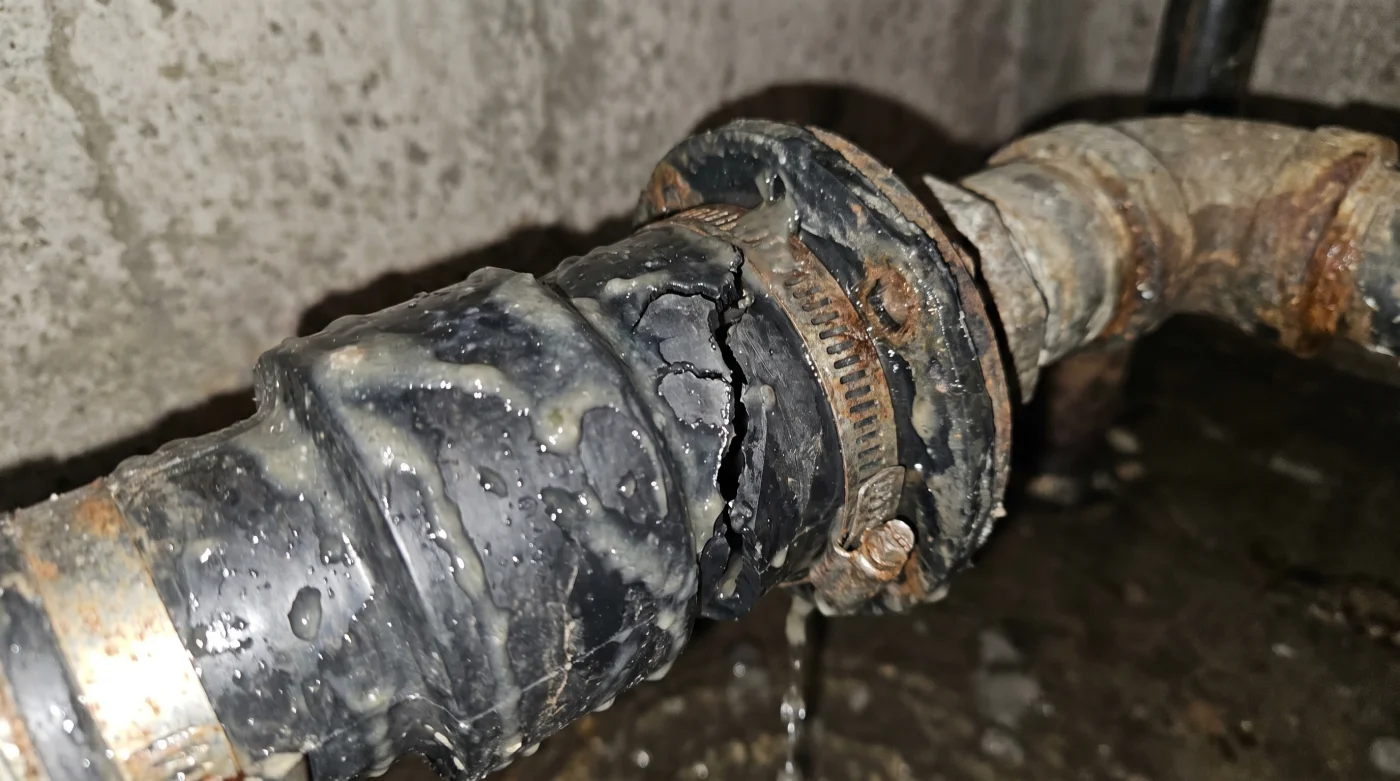
- Use your nut driver to loosen the stainless steel gear clamps on the rubber fernco couplings located above and below the plastic valve body.
- Pull the old unit out and slide the fresh replacement in, verifying that the directional arrow on the casing points strictly upward toward the ceiling.
- Tighten the clamps until the rubber begins to bulge slightly around the bands, wipe the pipe dry, and plug the machinery back in.
The Tactical Toolkit:
Time Required: 5 minutes.
Cost: $10 to $25.
Tools: 5/16-inch nut driver (vastly superior to a flathead screwdriver for torque), an old rag, a catch bucket.
Replacement Frequency: Every spring, alongside changing your furnace filter.
Peace of Mind in the Midnight Rain
There is a distinct, heavy anxiety that arrives alongside a midnight spring thunderstorm. Lying in bed, listening to the heavy rain lash against the bedroom window, your mind inevitably wanders down the stairs to the concrete foundation. You wonder if the machinery sitting alone in the dark is holding the line against the rapidly rising water table outside your walls.
By taking physical ownership of the system’s smallest, most fragile component, you effectively strip away that midnight anxiety. You stop merely hoping the pump will survive the storm and start relying on a verified mechanical barrier. You are no longer crossing your fingers against the weather; you are maintaining a well-ordered, proactive defense.
The true value of changing a ten-dollar piece of rubber is not merely about keeping the floor joists dry or avoiding an insurance claim. It is about buying yourself the distinct ability to sleep soundly while the storm rages outside. You close your eyes knowing your home is sealed, secure, and entirely prepared for the thaw.
Replace the part that costs less than a takeout dinner, and you will never have to replace the pump that costs more than a weekend getaway.
| Key Point | Detail | Added Value for the Reader |
|---|---|---|
| The False Test | Pouring a bucket of water only tests the electrical float switch. | Saves you from a false sense of security; focuses attention on mechanical wear. |
| The Phantom Failure | A broken check valve forces the pump to lift the same water endlessly. | Prevents premature motor burnout, extending the life of expensive equipment. |
| The $10 Fix | Replacing the valve annually using simple rubber couplings. | Transforms a catastrophic flooding risk into a cheap, predictable five-minute chore. |
Frequently Asked Questions
How do I know what size check valve to buy?
Look at the side of your PVC discharge pipe. It will be stamped with either 1.25-inch or 1.5-inch. Buy the corresponding valve size.Can I just clean the old valve instead of replacing it?
Rubber hardens and warps in cold water over time. Cleaning removes debris, but it cannot restore the flexible seal required to hold back fifty pounds of water.Why does my pipe shake violently when the pump stops?
This is water hammer, caused by a sudden, harsh valve closure. Switching to a spring-loaded quiet check valve will eliminate the vibration entirely.Do I need glue to install a new check valve?
No. Most residential sump replacements utilize rubber fernco couplings with stainless steel gear clamps, requiring zero PVC cement or drying time.Is a battery backup system useless if the valve fails?
Yes. A battery backup uses the exact same discharge pipe. If the valve fails, the backup pump will simply exhaust your battery draining the same falling water.