The sounds and smells of a Canadian basement in late winter possess a distinct, predictable rhythm. The quiet hum of the forced-air furnace cycles on and off, radiating a dry warmth, while the faint scent of damp concrete mingles with the cold dust settling on storage bins. Outside, the ice is retreating. Soon, you will hear the slow, rhythmic dripping of melting snow finding its way down through the frozen soil and into your home’s perimeter weeping tile. It is a season of transition, signaling the time when your home’s water management system is suddenly called to action.
The standard expectation is that your equipment is permanently ready to perform. You plugged in the pump last fall, perhaps nudged the PVC discharge pipe to ensure it was secure, and lean into easy comfort as the outdoor temperature inches past zero Celsius. You trust the heavy cast-iron motor to handle the incoming deluge, assuming that as long as there is electricity flowing to the outlet, your property remains perfectly safe from the rising water table.
The professional reality, however, is starkly different and completely invisible from a casual glance. Water leaves a physical memory behind. Behind the protective plastic casing of your basement’s primary defense mechanism, a silent, chalky creeping is taking place during those dormant winter months. While you worry about the engine burning out or the impeller jamming with debris, the true vulnerability is something much simpler. It is quietly clinging to the delicate mechanism that tells the entire electrical system to wake up.
The Anatomy of a Frozen Switch
Think of your sump pump float switch as the central nervous system of your basement. It is a simple, highly responsive buoyant lever meant to bob upward effortlessly as the drainage pit fills with groundwater, instantly triggering the heavy engine into action.
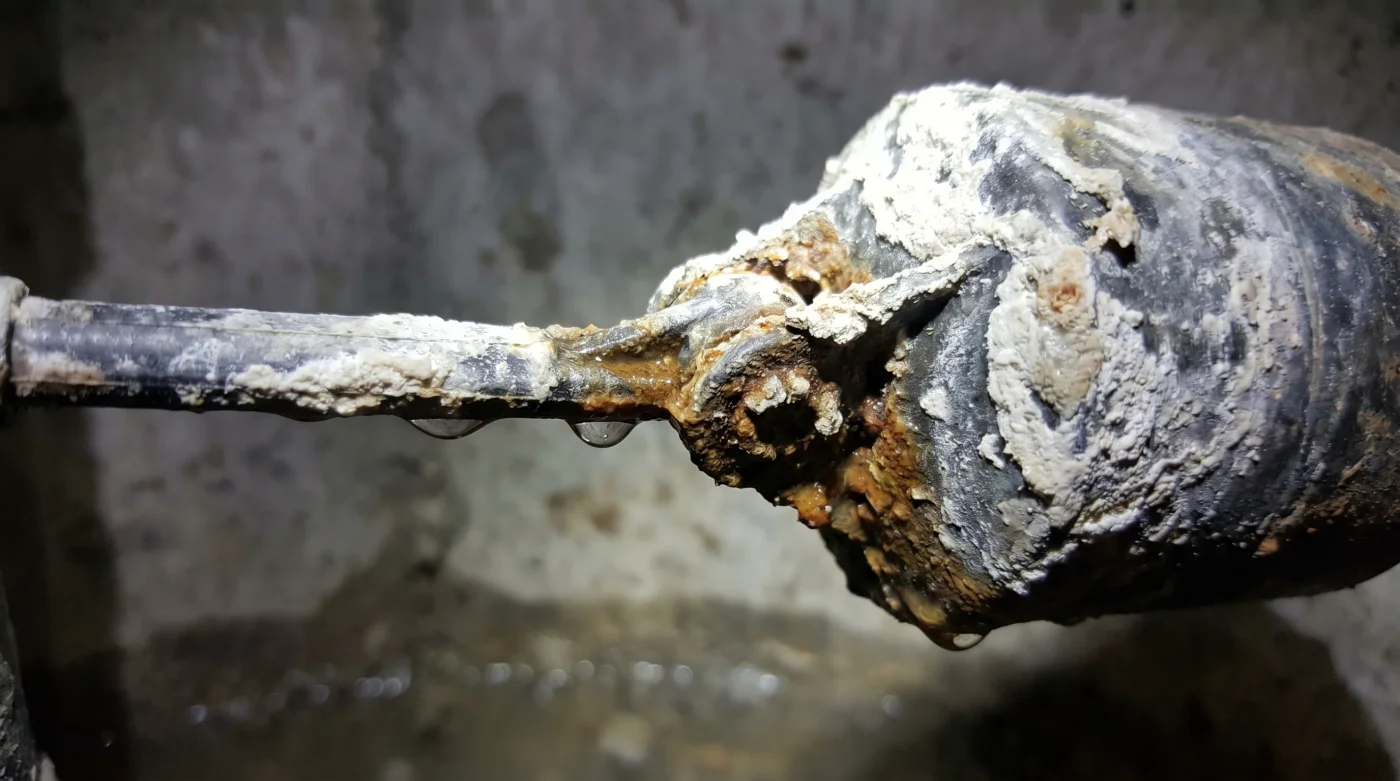
Over a long, stagnant winter, hard water sitting motionless in the basin begins to dry and crystallize. Trace minerals like calcium and magnesium bond directly to the plastic float track, building a microscopic, rigid wall over the course of several months. This white crust acts like fast-drying cement, firmly locking the float in the off position right as the aggressive spring thaw sends hundreds of gallons of meltwater rushing toward your concrete foundation.
- Cedar lumber costs drop when sourcing directly from rural sawmills
- Drywall anchors fail because renters ignore the pilot hole rule
- Cast iron skillet rust vanishes using this basic household acid
- HVAC filter density ratings secretly choke residential furnace blower motors
- Lawn mower blades dull instantly if you ignore grass moisture
The perspective shift requires understanding that a flooded lower level rarely comes from a broken motor. It almost always comes from a perfectly healthy motor that never received the signal to turn on. The mundane, chalky buildup on a two-dollar plastic arm is the only thing between a dry floor and ruined drywall. When you realize the switch is the actual weak point, your maintenance strategy completely changes.
David Tremblay, a 42-year-old municipal drainage specialist out of Winnipeg, has pulled hundreds of seemingly dead pumps from heavily flooded homes over his two-decade career. ‘Homeowners always assume it was a massive electrical failure,’ David notes, shaking his head as he inspects a recovered unit. ‘Nine times out of ten, the motor is pristine. The windings are perfect. It is just a dime-sized patch of hardened calcium holding the float down. People throw out a three-hundred-dollar pump and pay for thousands in renovations because the system simply needed a ten-cent bath.’
Defining Your Basement’s Threat Level
Not all homes face the exact same rate of silent buildup. Your approach to this five-minute preventative maintenance ritual depends heavily on the environment surrounding your foundation. Understanding your specific water profile dictates how aggressively you need to manage the scale.
For the rural or prairie home relying on well water, mineral density is your chief antagonist. Your float switch is highly susceptible to rapid scale accumulation, as the heavy calcium and magnesium content hardens quickly the moment the ambient water level drops in November. This environment demands religious attention before the spring rains arrive.
If you are living in a recent subdivision development, construction dust and fine silt have likely washed into the weeping tile during the initial landscaping phase. This abrasive grit mixes with minor groundwater minerals to create a heavy sludge that coats the mechanical arm, making it physically too heavy to float upward even when submerged.
For the homeowner with a fully finished lower level featuring a guest bedroom or a home theatre, the stakes are painfully high. You aren’t just protecting a concrete slab; you are actively defending expensive carpets, drywall, and furniture from catastrophic water damage. Your maintenance protocol requires an absolute zero-tolerance policy for any scale buildup on the switch.
The Five-Minute Spring Thaw Ritual
Treating this calcification doesn’t require specialized industrial chemicals or heavy plumbing wrenches. It demands a few minutes of quiet, deliberate attention and the cheapest, most acidic staple sitting in your kitchen pantry right now. You are not repairing a machine; you are performing an act of restoration.
You are going to purposefully dissolve the tension. By breaking the mineral bonds apart at a molecular level, you restore the natural, effortless glide of the mechanical switch. Prepare your tactical toolkit: one cup of standard white household vinegar at five percent acidity, a soft-bristled detailing brush or retired toothbrush, and a small bucket of clean, warm tap water heated to roughly twenty-five Celsius.
Approach the sump pit when the house is quiet, perhaps early on a Saturday morning before the household wakes up. Ensure you physically unplug the main cord from the wall socket to guarantee total electrical safety before reaching your hands into the damp, confined space of the basin.
Lift the pump slightly by its carrying handle, never pulling by the power cable, to expose the float mechanism to the light. If you run your fingers along the vertical track, you will likely feel the rough, sandpaper-like texture of the calcium clinging to the plastic.
- Spray or pour the undiluted white vinegar directly onto the float switch hinge and the vertical track it glides along.
- Let the acidic liquid sit entirely undisturbed for three to five minutes, listening for a faint fizzing sound as the acid actively reacts with the alkaline mineral scale.
- Gently scrub the switch track with your soft detailing brush, physically feeling the stubborn crust melt away to reveal a smooth, factory-fresh plastic surface.
- Pour the bucket of warm water over the entire mechanism to safely rinse away the acidic residue and any dislodged grit.
- Test the float with your hand to ensure it lifts with absolutely zero resistance, then plug the system back into the wall and lift the float one final time to hear the motor confidently kick on.
The Quiet Confidence of a Prepared Home
There is a distinct, deeply physical weight that lifts off your shoulders when you understand the hidden mechanics of your own home. The constant, nagging fear of the melt slowly evaporates as you realize you are fully in control of the hardware protecting your living space.
By shifting your focus away from the massive, intimidating motor and toward the delicate, calcified plastic switch, you change the entire narrative of home ownership. You aren’t merely crossing your fingers and hoping the machinery works when called upon; you have personally, manually cleared the path for it to perform its duty.
A home breathes and shifts with the changing Canadian seasons. Taking five brief minutes to dissolve a winter’s worth of stagnation isn’t just about avoiding a flooded floor or a massive insurance claim. It is about fostering a deep, trust in the shelter that surrounds you, knowing with absolute certainty that when the heavy spring rains finally arrive, you are completely prepared for the storm.
‘Maintenance is not about fixing what is broken; it is about protecting what is working by removing the invisible friction that causes it to fail.’
| Key Point | Detail | Added Value for the Reader |
|---|---|---|
| Vinegar Soak | 5% acidity dissolves calcium bonds on the plastic track. | Restores float mobility without requiring expensive motor replacement. |
| Warm Water Rinse | Flushes away acidic residue and remaining grit. | Protects sensitive rubber seals from drying out and cracking over time. |
| Manual Lift Test | Physically lifting the float to hear the motor engage. | Confirms the system will successfully activate before the spring water table rises. |
Frequently Asked Questions
How often should I clean my sump pump float switch?
Once a year, ideally in late winter right before the ground begins to thaw and water tables rise.Can I use bleach instead of vinegar to clean the pump?
Avoid bleach, as it only discolours the minerals rather than dissolving them, and can quickly degrade rubber gaskets.What if my float switch is permanently sealed inside the casing?
If you have a tethered or internal switch, pouring a vinegar solution directly into the pit and letting it cycle can help dissolve light scaling.How do I know if the motor is dead or if it is just a stuck float?
Unplug the pump, lift the float manually, and plug it back in while holding the switch up. If it hums or vibrates, the motor works but the switch was jammed.Will the vinegar smell linger in my basement?
The scent dissipates within an hour, leaving only the clean, neutral smell of a well-maintained drainage system.