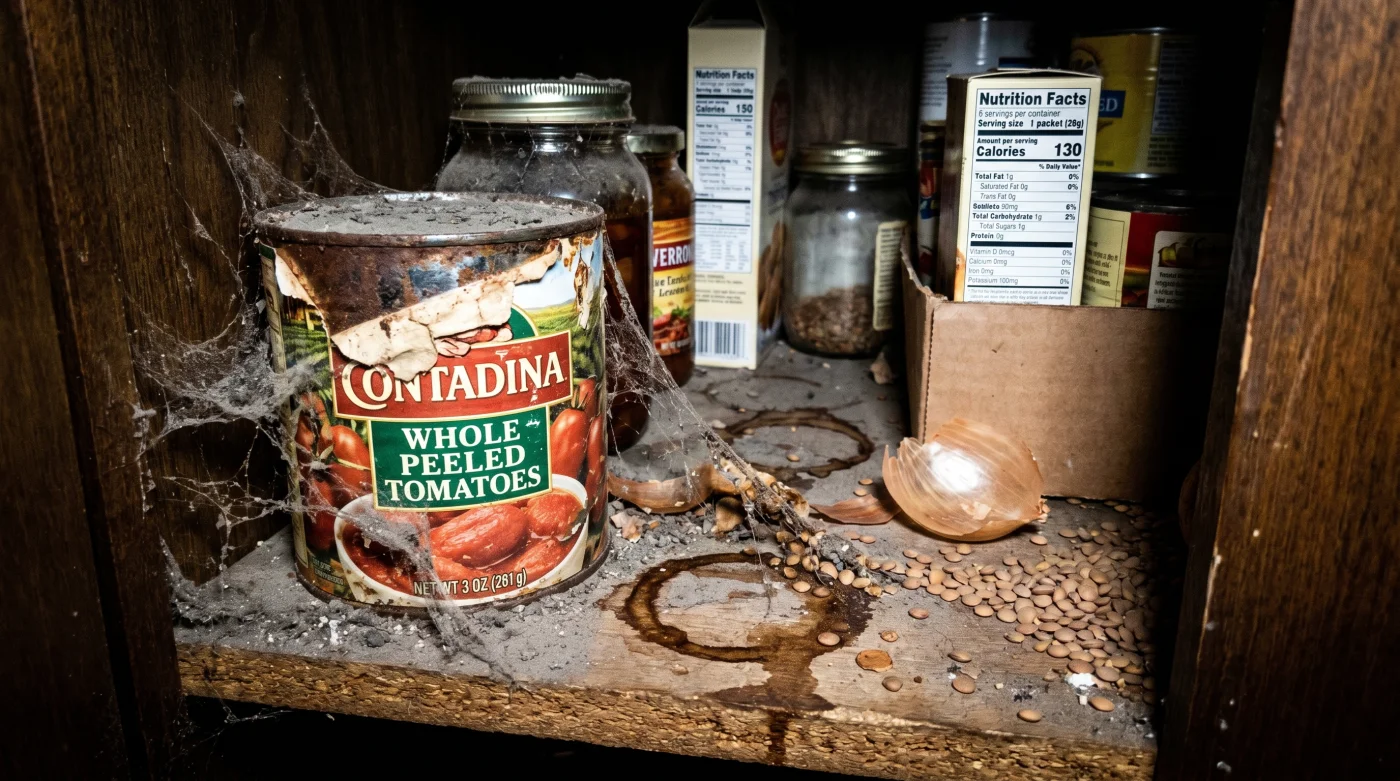
It is late November, and the afternoon light fades fast, leaving the back of your kitchen cupboards in permanent shadow. You reach past a leaning bag of flour, your fingertips searching blindly for that tin of crushed tomatoes you know you bought last week. Instead, you graze the cold, dusty ridges of an old soup can. Pulling it into the light, you check the date. It expired two years ago.
This is the quiet frustration of the modern kitchen. We accept standard millwork as a finished thought, stacking our provisions on deep, flat planes of melamine or oak. But the reality is a graveyard of forgotten groceries, where the back six inches of any shelf become a dark void. You buy duplicates because you cannot see what you actually own. You shuffle heavy tins like a shell game, waiting for one to inevitably roll off and bruise your toe.
Flat surfaces make sense for dinner plates and cereal boxes. But for cylindrical goods, which form the heavy, unyielding backbone of winter cooking, flat shelving actively works against you. The deeper the cabinet, the more you lose. You are paying a premium for vertical real estate only to block it with a solid wall of immovable cans.
The fix is not buying fewer supplies; it is changing the physics of the cabinet itself. By switching to tiered gravity tracks, you are harnessing a subtle incline to automate your inventory. Suddenly, the shadows vanish, and the dead space above your front row of cans becomes a highly functional asset.
The Retail Secret Hidden in Plain Sight
Think of the difference between a stagnant pond and a flowing river. A flat shelf demands constant manual intervention. You must physically reach, rotate, and reorganize to keep the older stock at the front. It is a system built on friction. A gravity track, however, breathes with your routine. You load the newest tin at the top rear, and it gently rolls forward, pushing the older stock directly into your line of sight.
It is a simple mechanical shift that forces automatic stock rotation. The inherent flaw of the cylinder, its tendency to roll away, becomes its greatest advantage. By angling the track slightly downward and adding a return tier beneath it, you transform a static block of wood into a kinetic dispenser.
- P-trap pipe leaks stop when you abandon liquid thread sealants
- Drywall anchors fail because renters ignore the weight distribution logic
- Gas stoves face massive phase-out as retailers shift to induction
- Fiberglass insulation shortages force builders toward mineral wool alternatives
- Pantry shelving depth creates dead zones where dry goods expire
This is not just about finding your chickpeas faster. It is about doubling the usable volume of the cupboard. Flat shelves require empty air above the cans just so you can wedge your hand inside. Gravity tracks eliminate the need for hand clearance entirely. You can stack tracks tightly, filling the vertical void to the ceiling, because you never need to reach past the front row.
Clara, a 42-year-old custom millworker operating out of a dusty, cedar-scented shop in North Vancouver, spent a decade building luxury kitchens before she realized she was selling a beautiful lie. Clients would ask for massive, deep pantries, paying thousands for volume they could never practically use. She watched people stuff beautiful oak boxes with tins of beans, only to find them rusted years later. Clara started retrofitting deep drawers and shelves with simple, angled ply-tracks, proving that flow is always superior to static storage.
Adapting the Flow: Tailored Tracks for Every Kitchen
Not all pantries face the same pressures. The way you adapt this concept depends entirely on what you accumulate and how your kitchen breathes during a busy work week.
For the Bulk Provisioner
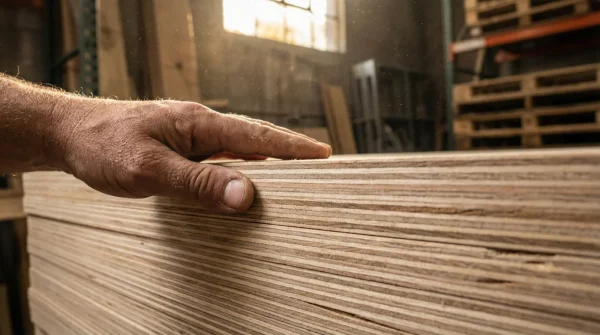
If you buy your diced tomatoes, beans, and broths by the flat, you need structural integrity. Standard wire gravity racks will bend under the weight of thirty heavy tins. You need solid tracks built from half-inch birch plywood. Set the incline carefully. A gentle drop of one inch over a twelve-inch run provides just enough momentum to keep heavy stock moving without violent collisions against the front lip.
For the Condo Minimalist
When your entire pantry is a single, narrow cupboard next to the fridge, every millimetre counts. Here, the focus shifts to tight, modular tiers. Instead of building deep wooden tracks, utilize clear, stackable acrylic gravity bins. These snap together vertically. Because they are transparent, the visual weight of the pantry remains light, preventing that small cupboard from feeling like a claustrophobic tunnel.
For the Pet Parent and Grazer
Small tins of cat food, tuna, or tomato paste are the worst offenders on flat shelves. They stack poorly and fall easily. For these, you want a double-decker gravity return. You load the tiny cans at the top front, they roll back, drop down to the lower level, and roll forward to rest. This loop uses the full depth of a standard twelve-inch upper cabinet while managing the smallest, most frustrating items in your inventory.
Mindful Assembly: Building Your Kinetic Pantry
Transitioning from static to kinetic storage does not require a complete kitchen teardown. It is a quiet weekend project, a methodical exercise in measuring space and redirecting gravity. Approach the installation with patience, recognizing that a little math upfront saves years of daily rummaging.
Before you touch a tool, empty the shelf entirely. Wipe down the wood. Group your cans by size to determine exactly what lane widths you need. Here is your tactical toolkit for installation:
- Measure the depth: Determine the distance from the back wall to the inside of the closed door. Leave a one-inch buffer so the door does not strike the front cans.
- Set the pitch: For homemade wooden tracks, cut the side rails so the back is exactly one inch higher than the front for every foot of depth.
- Cut the lanes: Use thin strips of quarter-inch MDF or smooth hobby wood as lane dividers. Space them so the can has a quarter-inch of breathing room on either side to prevent binding.
- Smooth the floor: Gravity relies on low friction. If you are using raw wood, sand the track floors up to 220 grit and apply a quick coat of paste wax so the tins glide smoothly.
- Secure the front lip: The front stop must be sturdy but low enough to easily lift the can up and over. Half the height of your smallest can is the ideal block.
The Quiet Reward of an Organized Kitchen
When you finally load the finished tracks, the feeling is profoundly satisfying. You push the first can in, watch it roll smoothly to the back, and settle into place. It is a tactile victory. You are no longer fighting the dimensions of your home; you are finally working in harmony with them.
The kitchen feels instantly lighter. When you write a grocery list, you simply glance at the front row. The mental friction of wondering what lies in the back shadows is completely gone. You stop buying what you already own.
This small mechanical change alters your relationship with your space. The pantry ceases to be a dark storage cave and becomes a reliable, active partner in your daily routine. By embracing a slight tilt, you bring permanent order to the chaos, ensuring that every ingredient serves a purpose exactly when you need it.
A flat shelf is a parking lot for your food; an angled track is an engine. Stop storing, start flowing. — Clara M., Custom Millworker
| Storage Method | Mechanical Reality | Added Value for the Reader |
|---|---|---|
| Standard Flat Shelf | Requires excessive vertical clearance for hand access; blocks rear visibility. | Wastes forty percent of cupboard volume and guarantees expired, hidden food. |
| Wire Stepped Racks | Elevates rear cans but still requires manual rotation and physical lifting. | Improves visibility but does not solve the deep space problem or automate your stock. |
| Tiered Gravity Track | Harnesses a ten-degree incline for automatic front-loading rotation. | Doubles usable volume, guarantees first-in-first-out freshness, and completely ends reaching. |
Mindful Maintenance: Pantry Mechanics
Will glass jars work on a gravity track?
No. Glass on glass or glass on wood creates too much friction and risks shattering. Reserve gravity systems strictly for metal tins and rigid plastic cylinders.How do I stop heavy cans from denting each other?
Keep the angle shallow. A one-inch drop per foot of depth prevents excessive speed. If using store-bought wire racks, ensure they have rubberized bumpers at the front.Can I install this in a standard upper cabinet?
Yes. Most Canadian upper cabinets are eleven to twelve inches deep. A dual-tier return track is perfect for this depth, allowing a top-load that loops back to the bottom.What if my cans are all completely different sizes?
Dedicate specific lanes to specific sizes. A modular system with adjustable dividers lets you widen a track for crushed tomatoes and narrow another for tomato paste.How do I clean a deep, enclosed track?
Design the tracks as removable inserts rather than permanent fixtures. Once a year, lift the entire track out, vacuum the dust, and wipe the wood clean.